



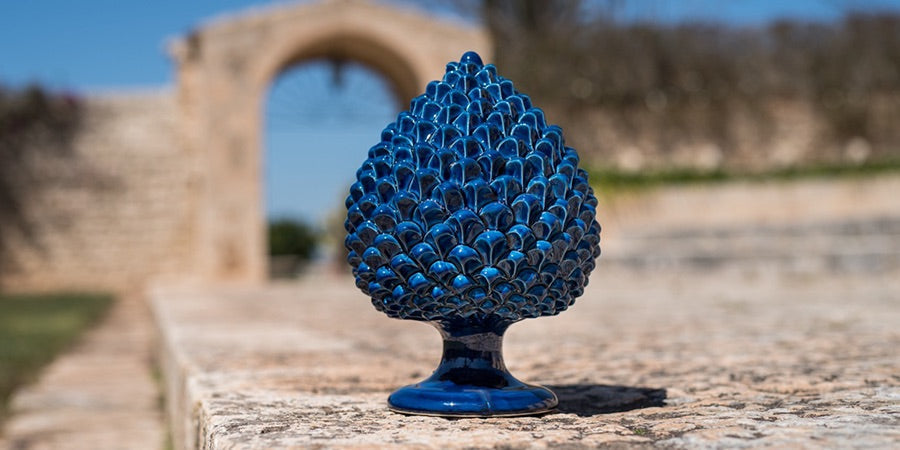
The Sicilian Pigna: Meaning, History, and Symbol of Good Fortune
If you have ever traveled through Sicily, you have surely seen it: on gate pillars, on balconies, on the tables of local homes. The ceramic pigna (Sicilian ceramic pinecone) is one of the island's most beloved symbols, an object that brings together beauty and meaning. But what does it really represent, and why do Sicilians give it as a gift at important moments? This is the complete guide to the Sicilian pigna: its meaning, its history, and how to choose an authentic one.
What the Sicilian pigna is
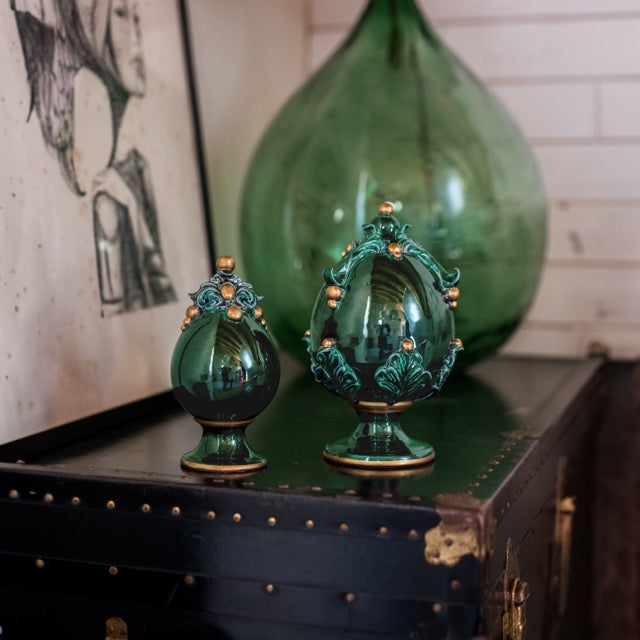
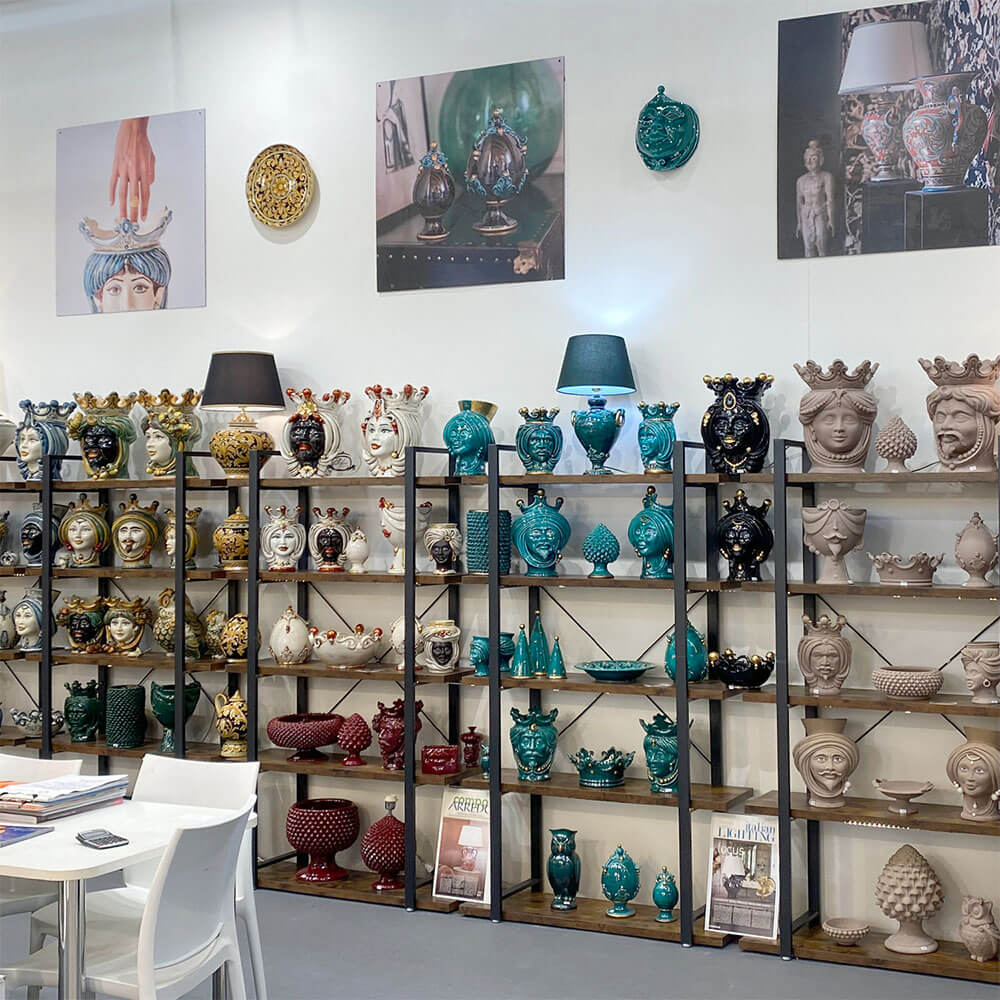
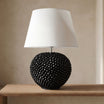
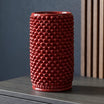
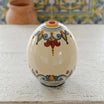
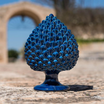
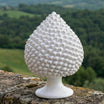
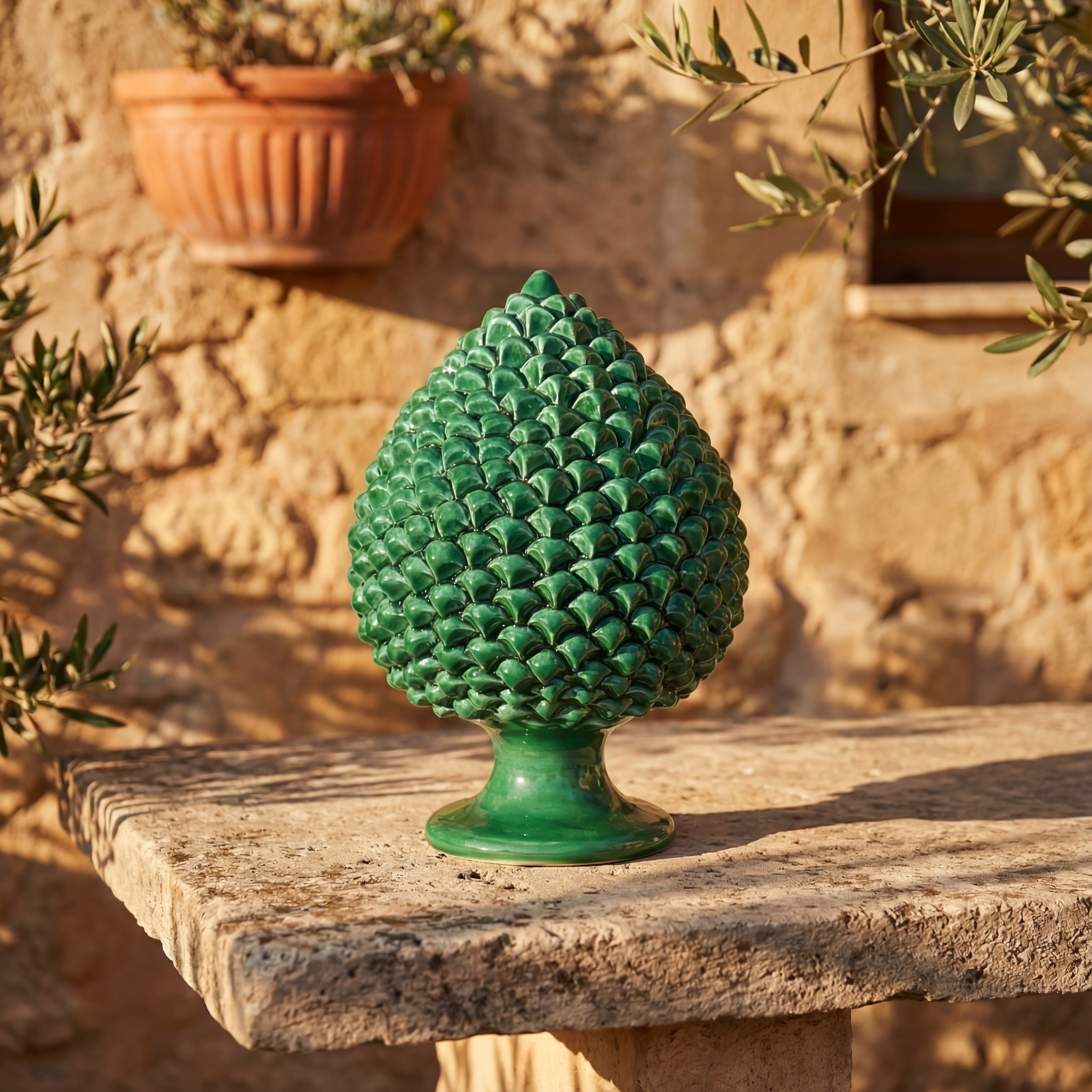
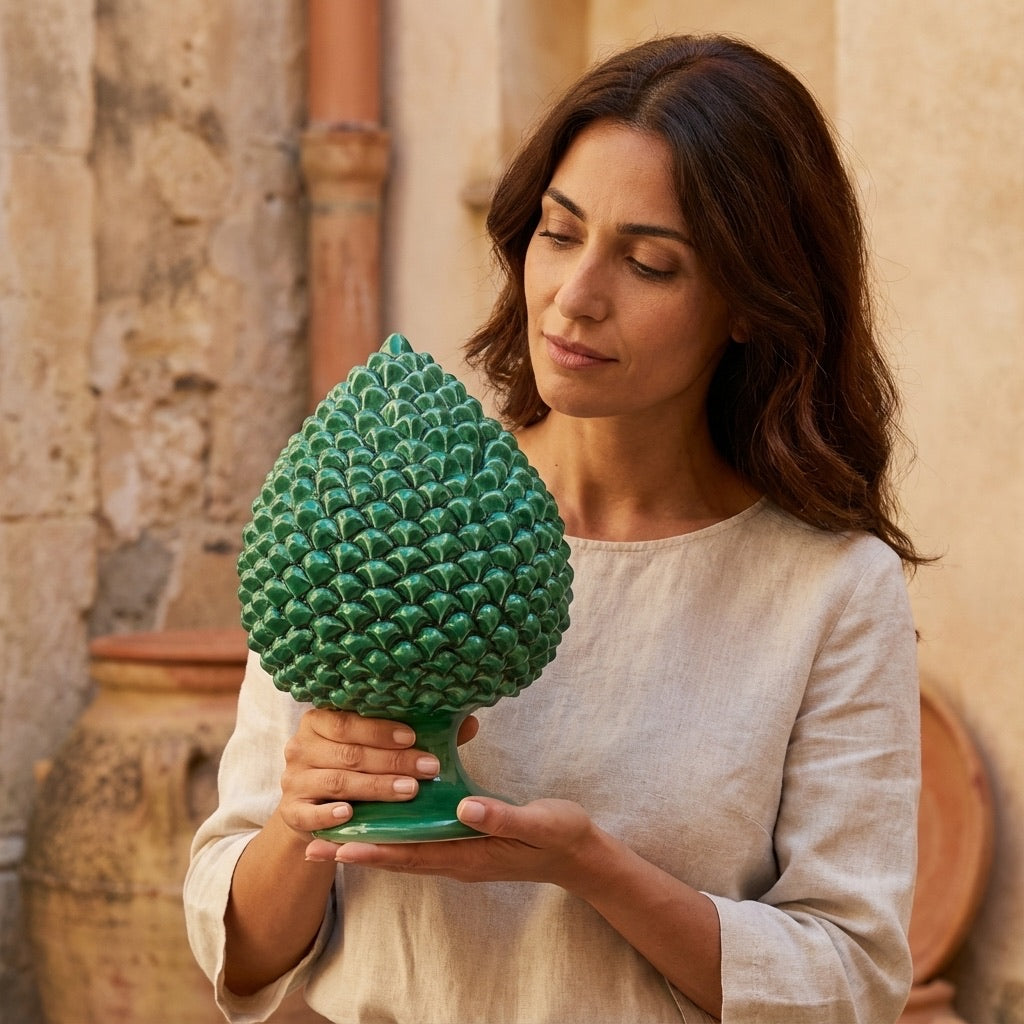
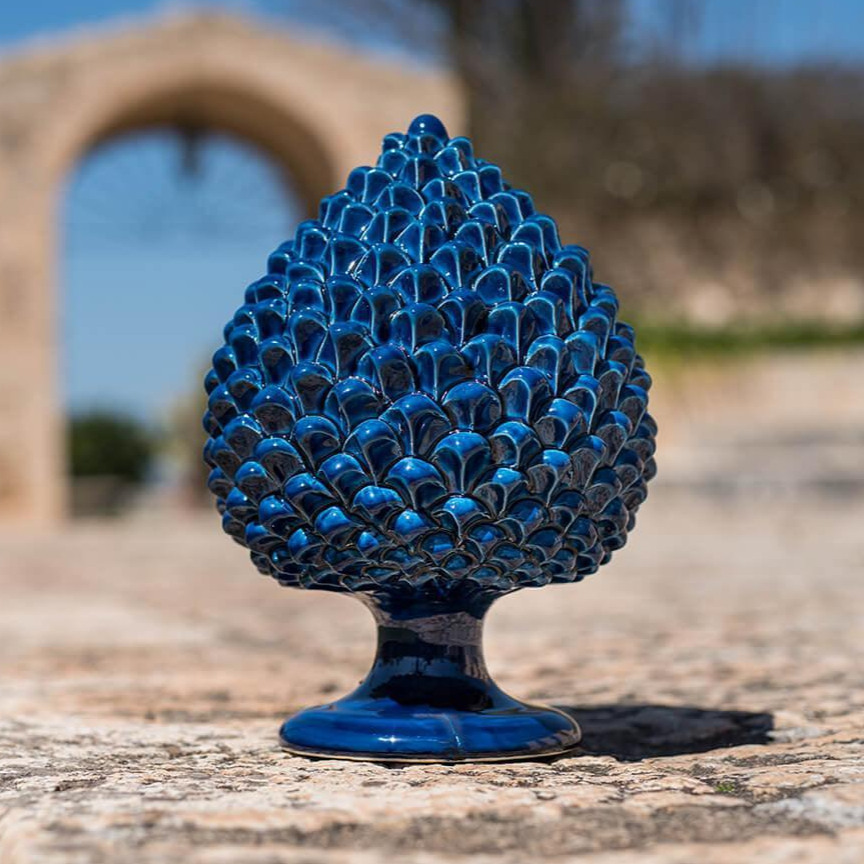
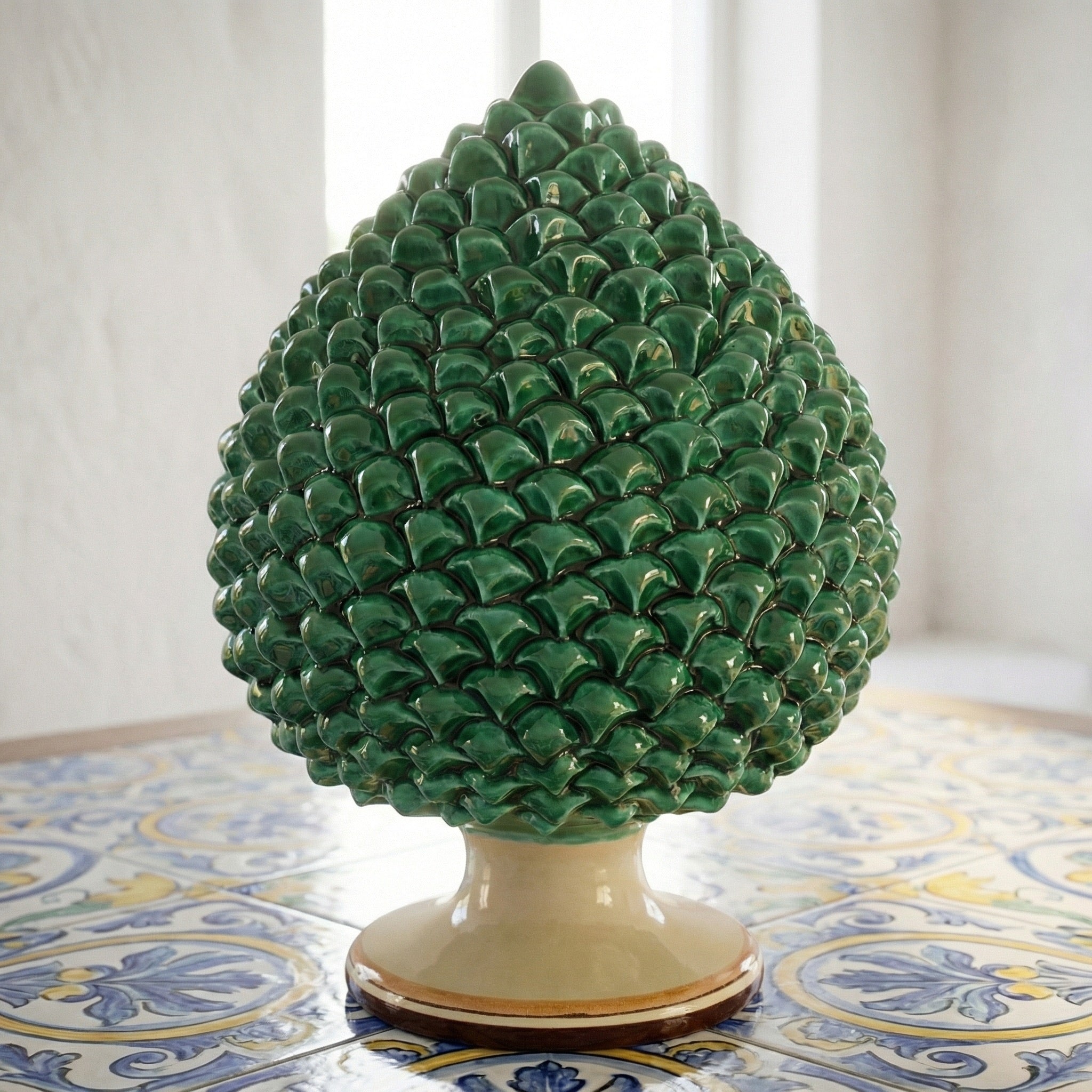
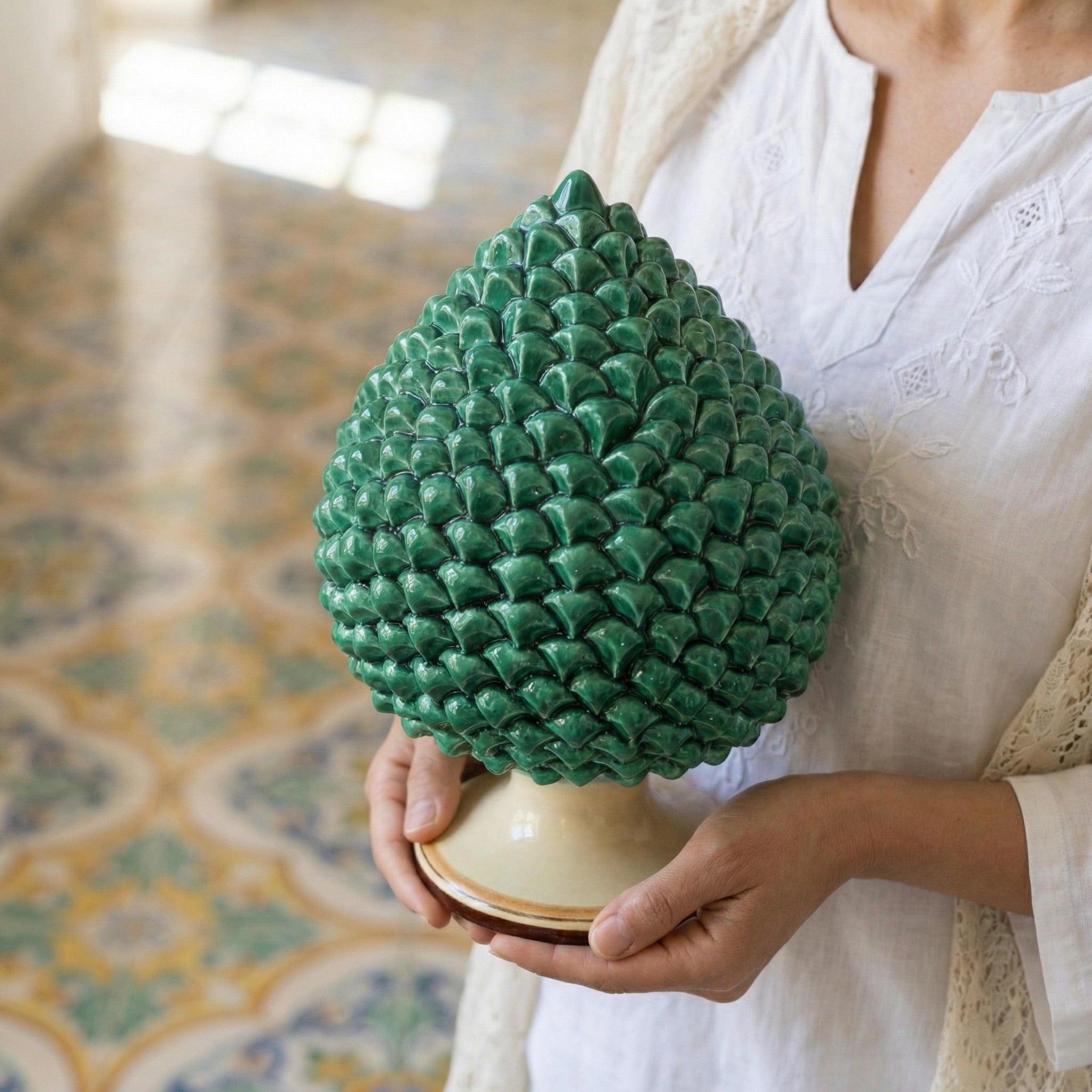
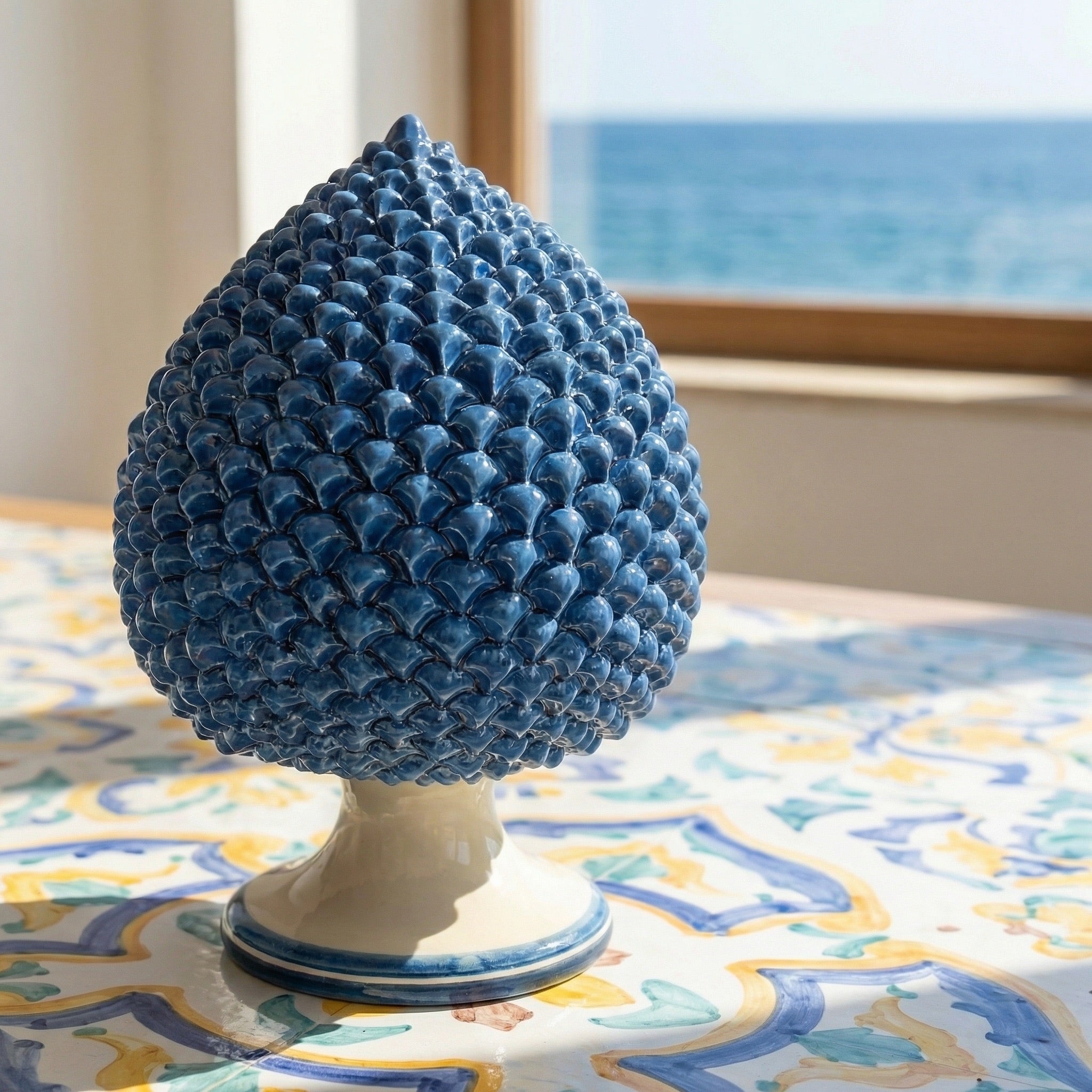
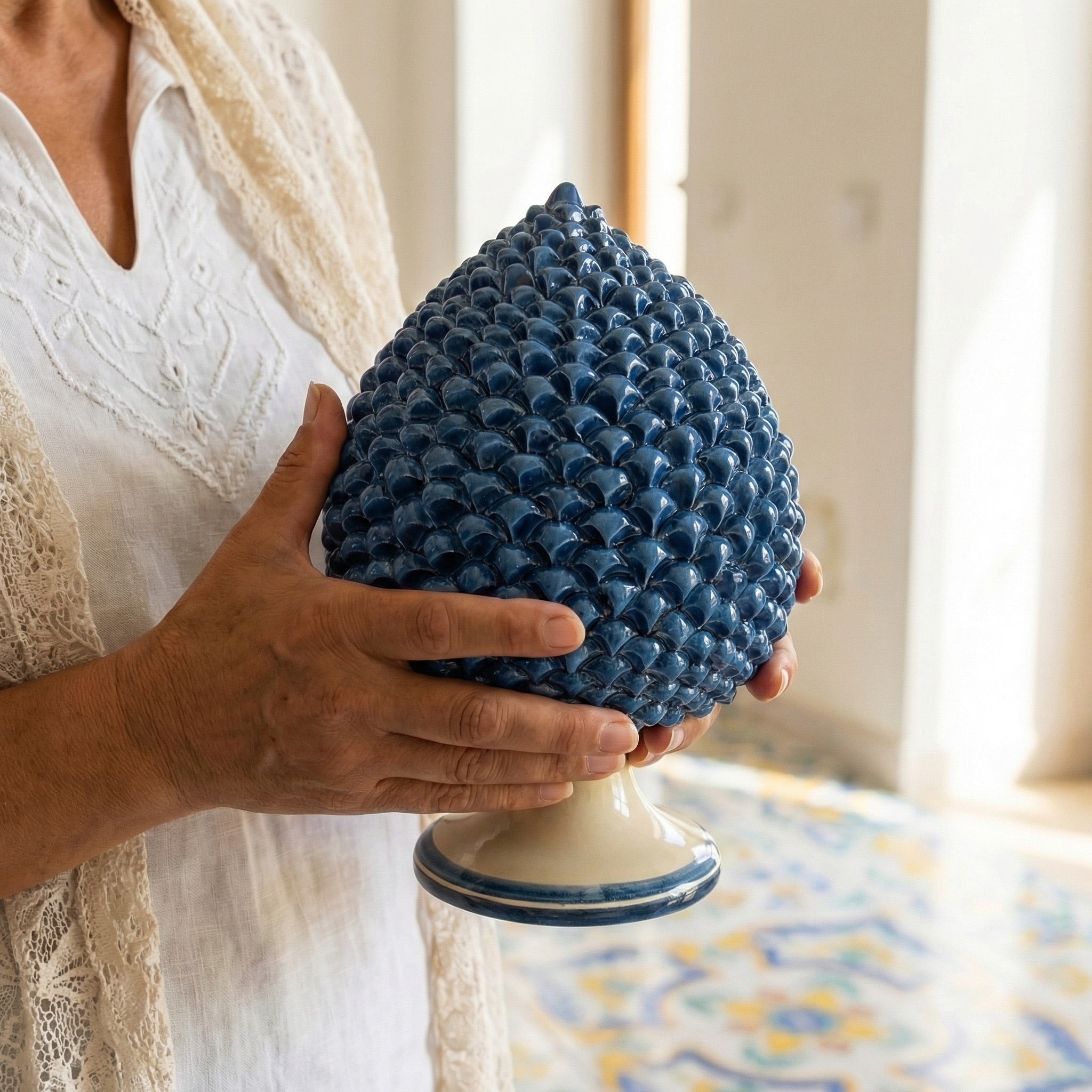
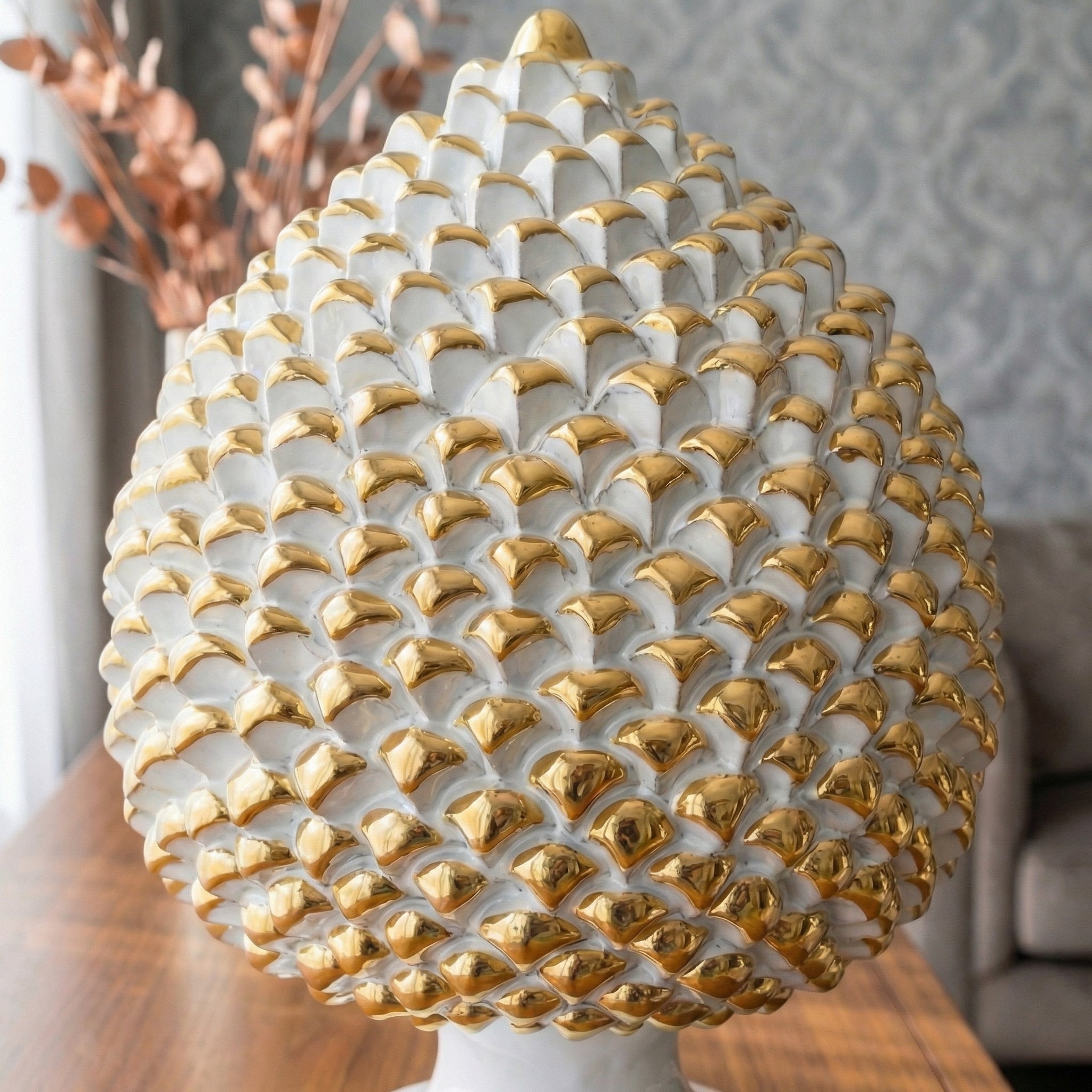
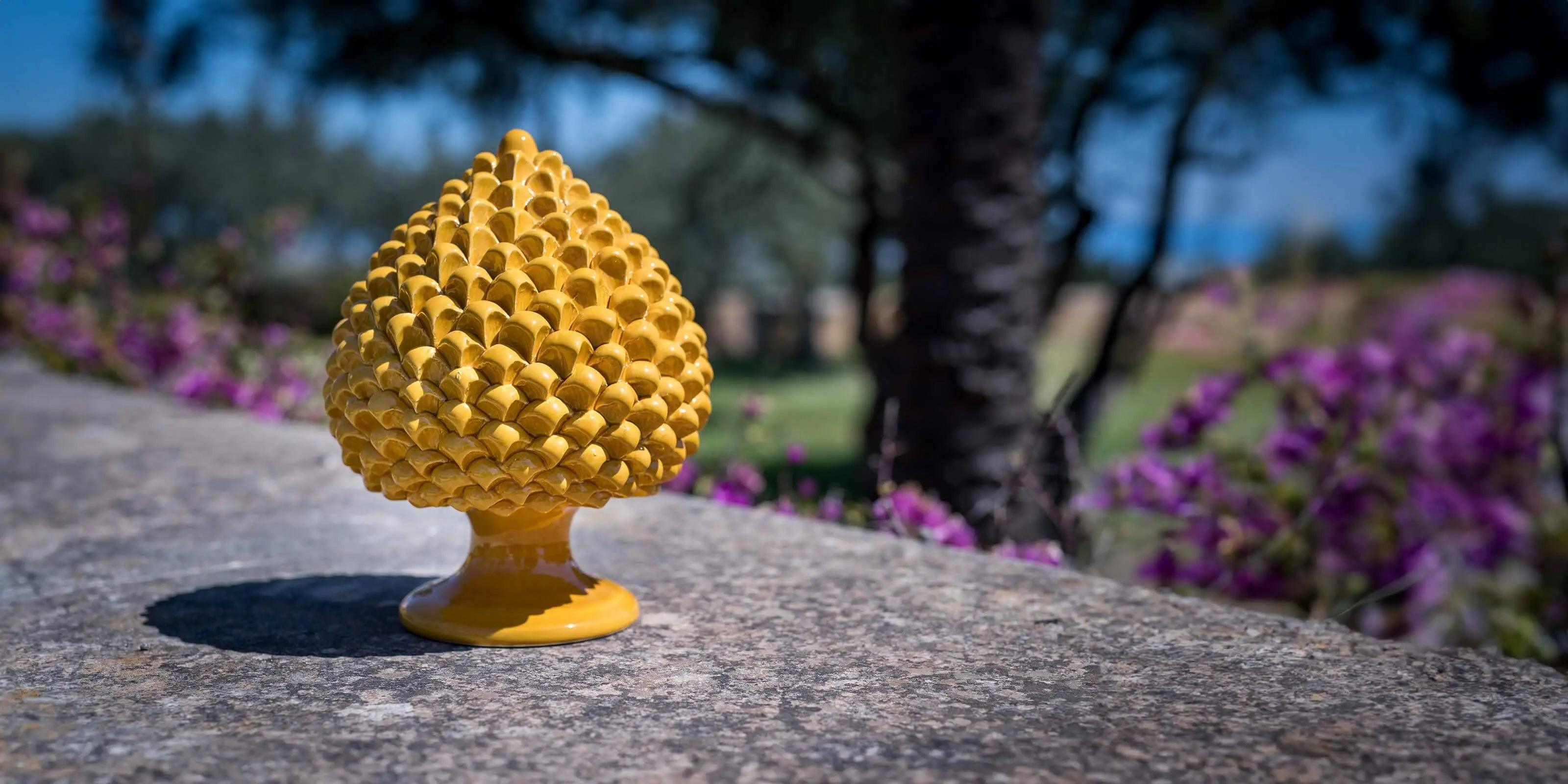
The Sicilian pigna is a ceramic reproduction of the pine tree's fruit, crafted and painted by hand following the island's artisan tradition. It is not a simple ornament: it is a good luck charm, a wish for prosperity that is given and displayed. You will find it in dozens of variations, from classic colors such as deep blue and emerald green to mother-of-pearl and gold finishes, and in many shapes, from the standing pigna to the vase, from the centerpiece to the small bowl.
Its productive heart is Caltagirone, the capital of Sicilian ceramics, where the pigna is shaped following techniques handed down over centuries.

Read more → Sicily to experience: a journey through places, culture, and ceramics
The meaning: prosperity, luck, health, and hospitality
In Sicilian culture the pigna gathers within itself some of the most beautiful well-wishes. It is a symbol of prosperity and abundance, because of the great number of seeds enclosed in its form. It is a symbol of health and longevity, so much so that giving one is the equivalent of wishing someone a long life. It is a symbol of luck and, not least, of hospitality: a pigna at the entrance of a home is a silent way of saying "here you are welcome".
This sum of meanings explains why the pigna is never merely decorative. Those who give it are making a specific wish; those who receive it are keeping a thought close.
The ancient origins: from symbol of immortality to Sicilian good luck charm
The power of the pigna comes from far back in time. Already in Greek and Roman antiquity it was considered a symbol of life, regeneration, and immortality: its perfect shape and its many seeds made it an emblem of fertility and eternity. In ancient Egypt it appeared in depictions tied to fecundity and fortune. The Romans associated it with prosperity, and it is no coincidence that a giant bronze pigna from the Roman era has come down to us.
For the Greeks the pigna crowned the thyrsus, the staff of Dionysus, linking it to life that renews itself. The Romans placed it at the center of fountains and gardens as a wish for fecundity: the famous bronze Pigna that today gives its name to a courtyard of the Vatican Museums is the most monumental testimony of this tradition.
Sicily, a crossroads of peoples and cultures, gathered and layered these meanings over time, transforming them into an auspicious sign tied to the continuity of the family and the prosperity of the home. From a learned and mythological symbol, the pigna thus became a popular, domestic object, entering everyday life through ceramics.
Read more → How to recognize genuine Caltagirone ceramics
Why it is given as a gift: weddings, new homes, new ventures
The pigna is, first and foremost, a gift. It is given at the moments that mark a beginning: a wedding, the purchase of a new home, the opening of a business. On each of these occasions the pigna carries the same message: may the new chapter be rich, fruitful, and fortunate.
There is also an older and curious tradition: newlywed couples' bedrooms were once decorated with pigne, as a wish for a large family and many births. A detail that shows just how deep the bond is between this symbol and the idea of fertility.
For this very reason the pigna is also a gift idea that never goes out of style: elegant, symbolic, and tied to the land.
Read more → Ceramic wedding gift ideas · Authentic Sicilian souvenirs
The Caltagirone ceramic pigna: how it is made
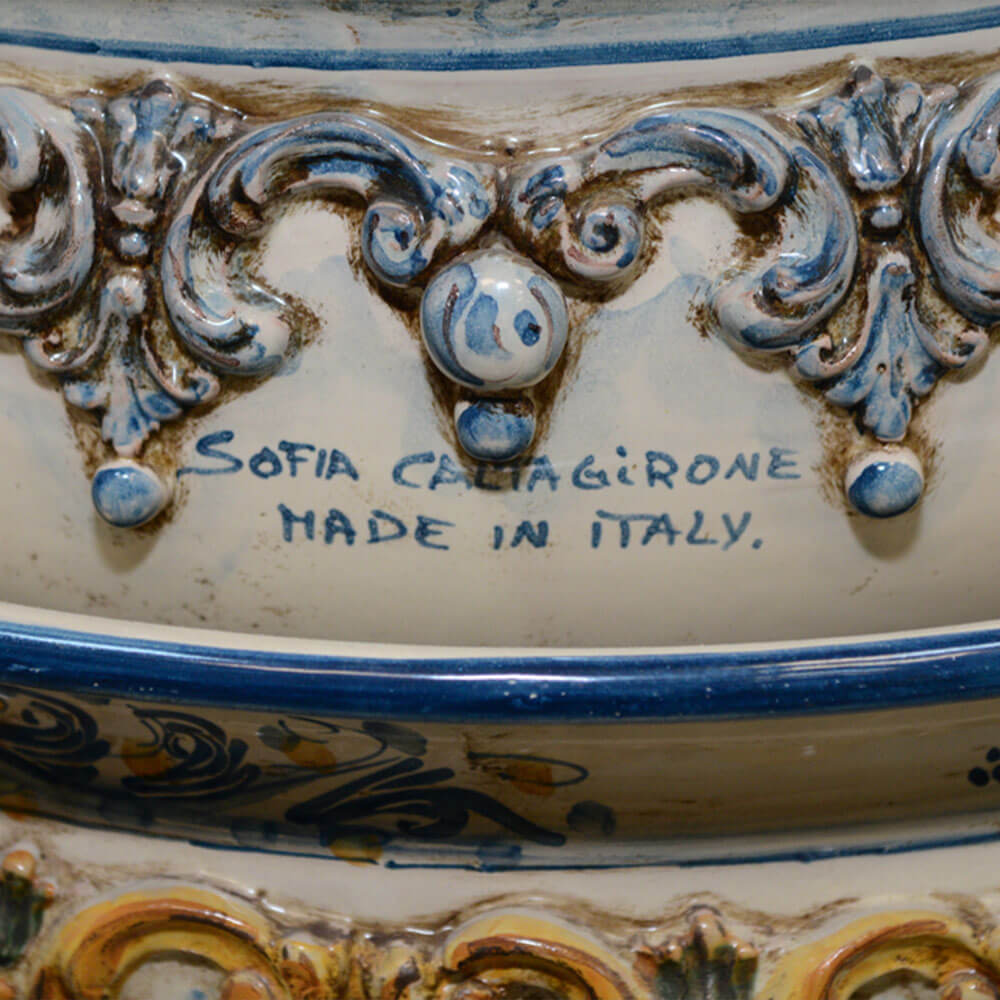
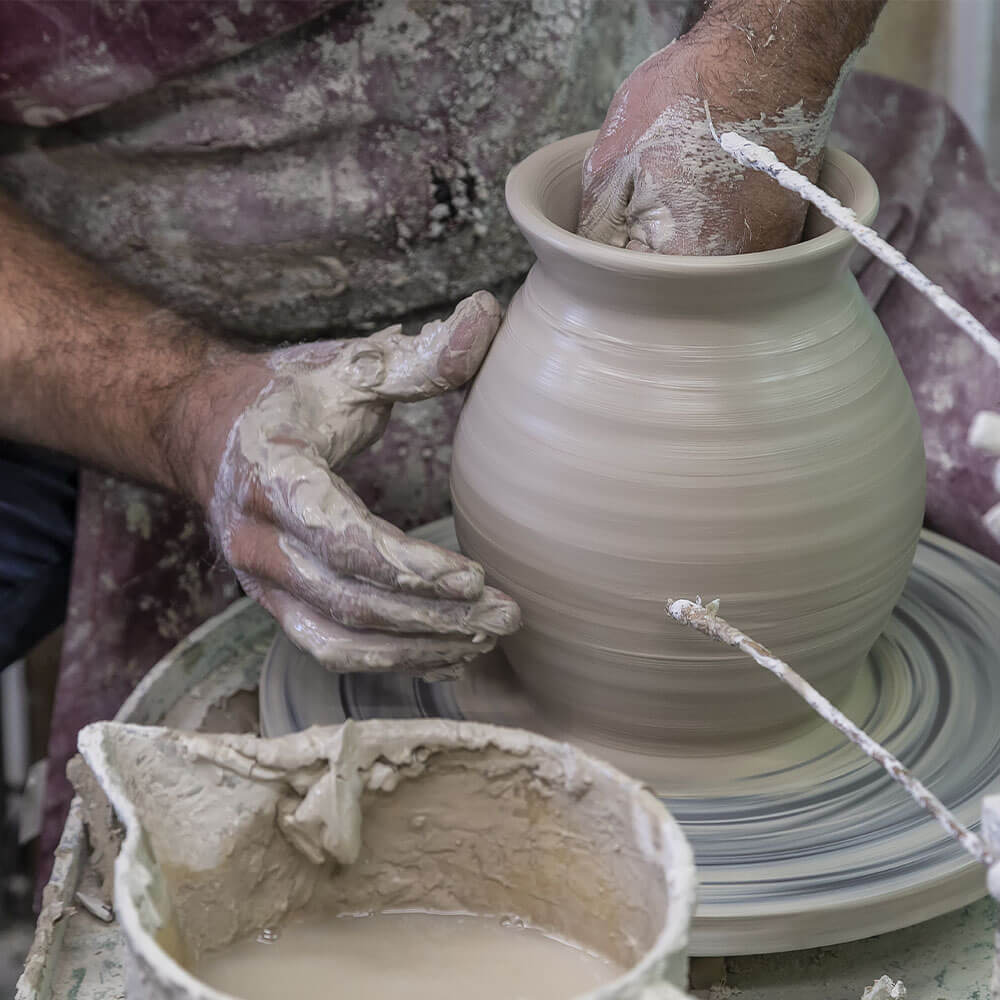
Behind every pigna lies the patient work of the artisan. It starts with clay, shaped to obtain the form with its characteristic "scales". After drying and a first firing, the piece is glazed and then painted by hand, scale after scale, with the chosen colors and decorations. A final firing at high temperature sets the colors and gives the ceramic its brilliance.
It is a process that takes time and skilled hands, and it is the reason why no two pigne are ever perfectly identical: the small differences are the signature of those who made them.
Read more → From earth to vase: how a work in ceramic is born · The production stages →
The pigna today: from tradition to interior design
In recent years the Sicilian pigna has enjoyed a second youth. From an object of popular tradition it has become a sought-after element of interior design, helped along by the international attention toward Mediterranean craftsmanship. You will find it in home decor magazines, in design-forward homes, and in hospitality projects that want a signature touch that is authentically Sicilian.
The reason is simple: the pigna works both as a symbol and as a form. Its clean geometry pairs with modern, minimalist furnishings just as well as with classic settings, and the variety of finishes allows it to be used as an accent of color or as a sculptural piece. For architects and designers it is a way to bring identity and storytelling into a space, without giving up elegance. In this too, the pigna stays true to its nature: a bridge between past and present.
How to choose and pair your pigna
With so many variations, choosing the right pigna is part of the pleasure. Here are a few criteria.
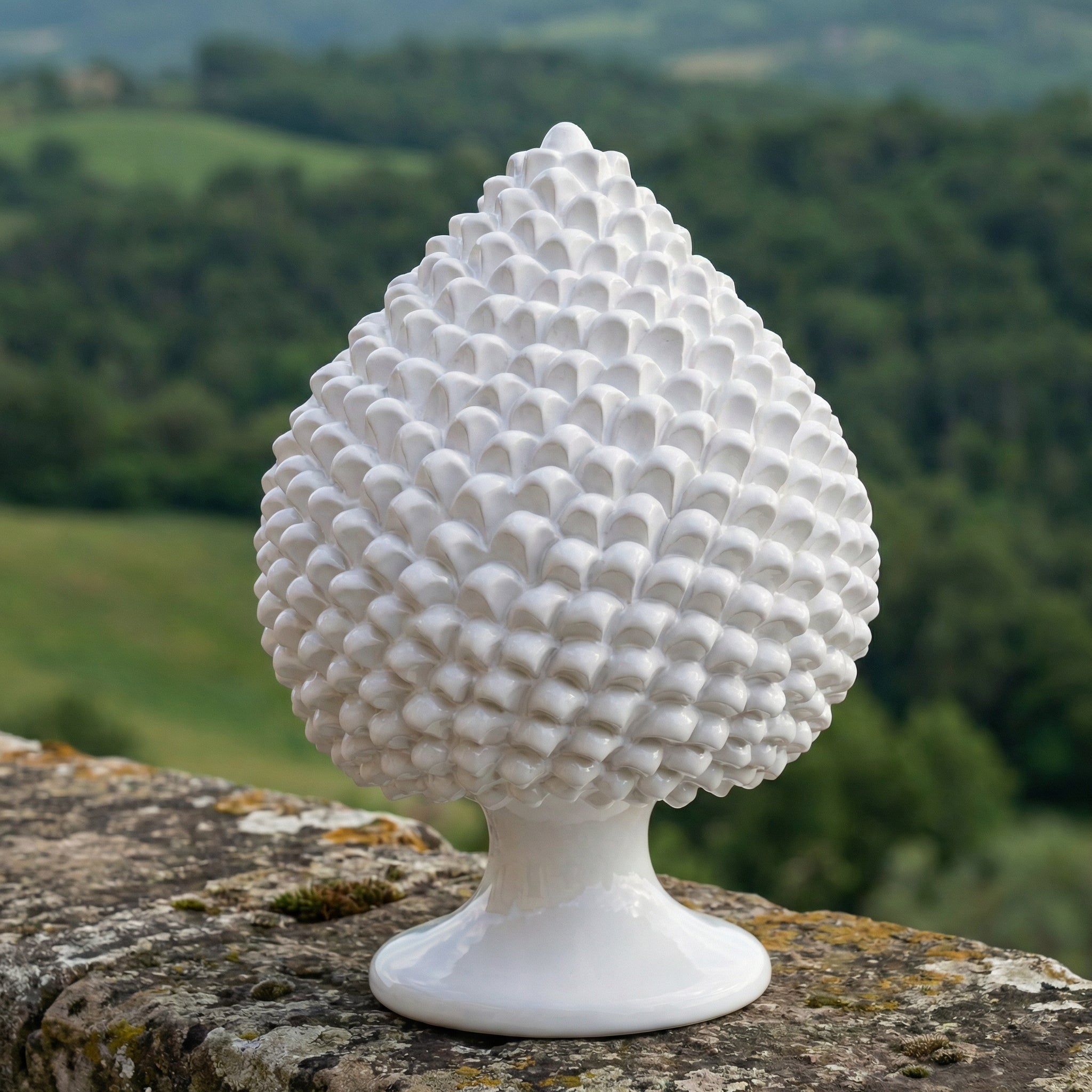
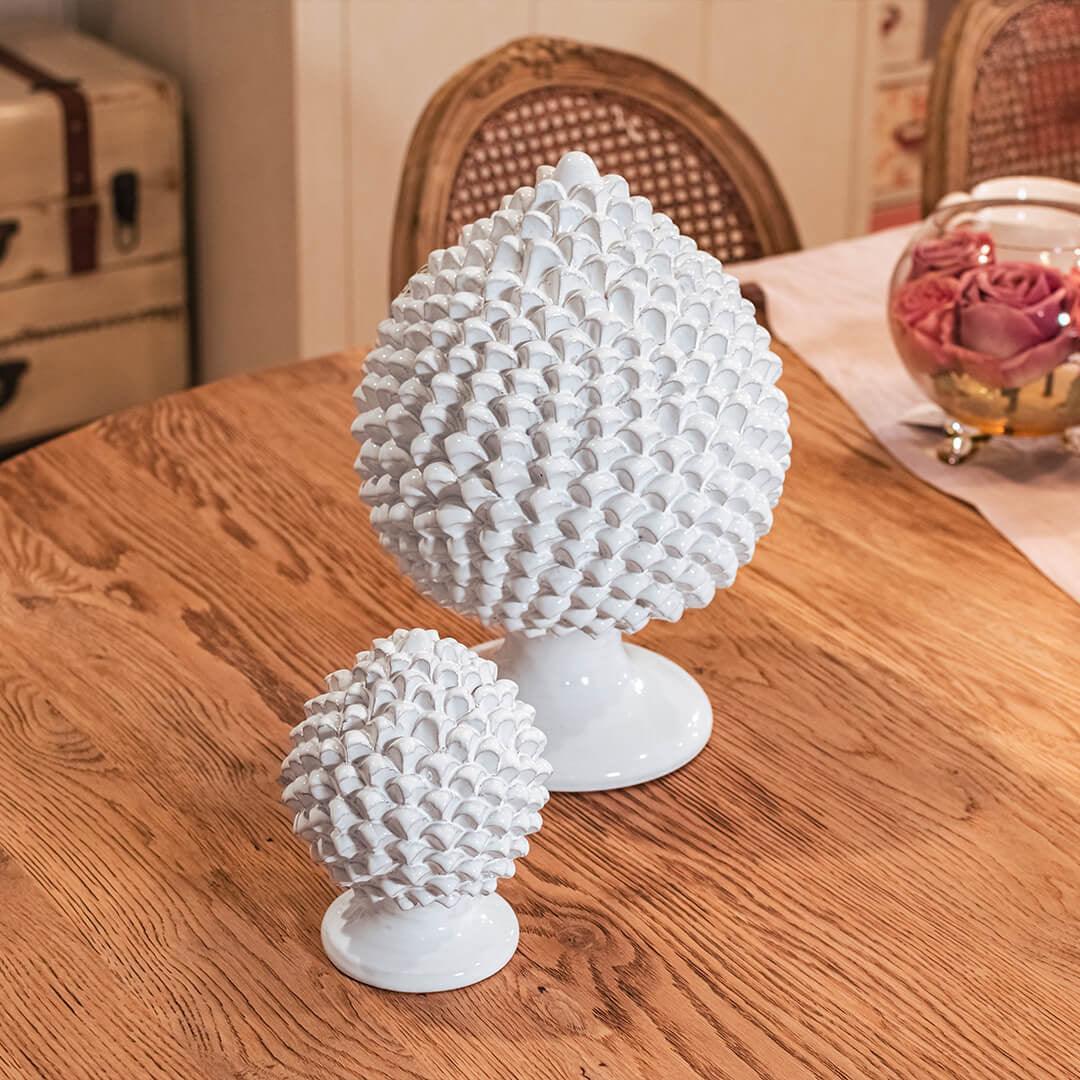
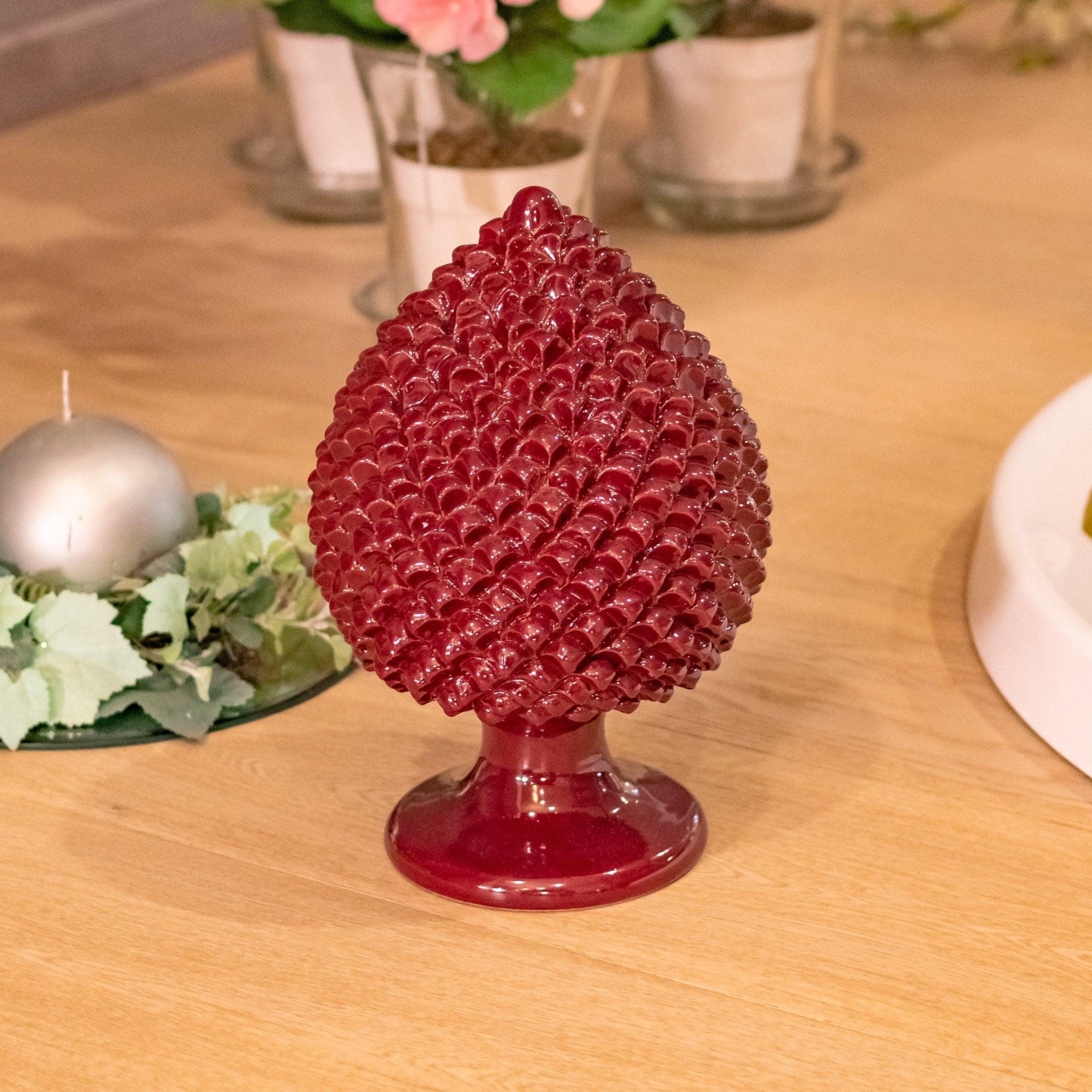
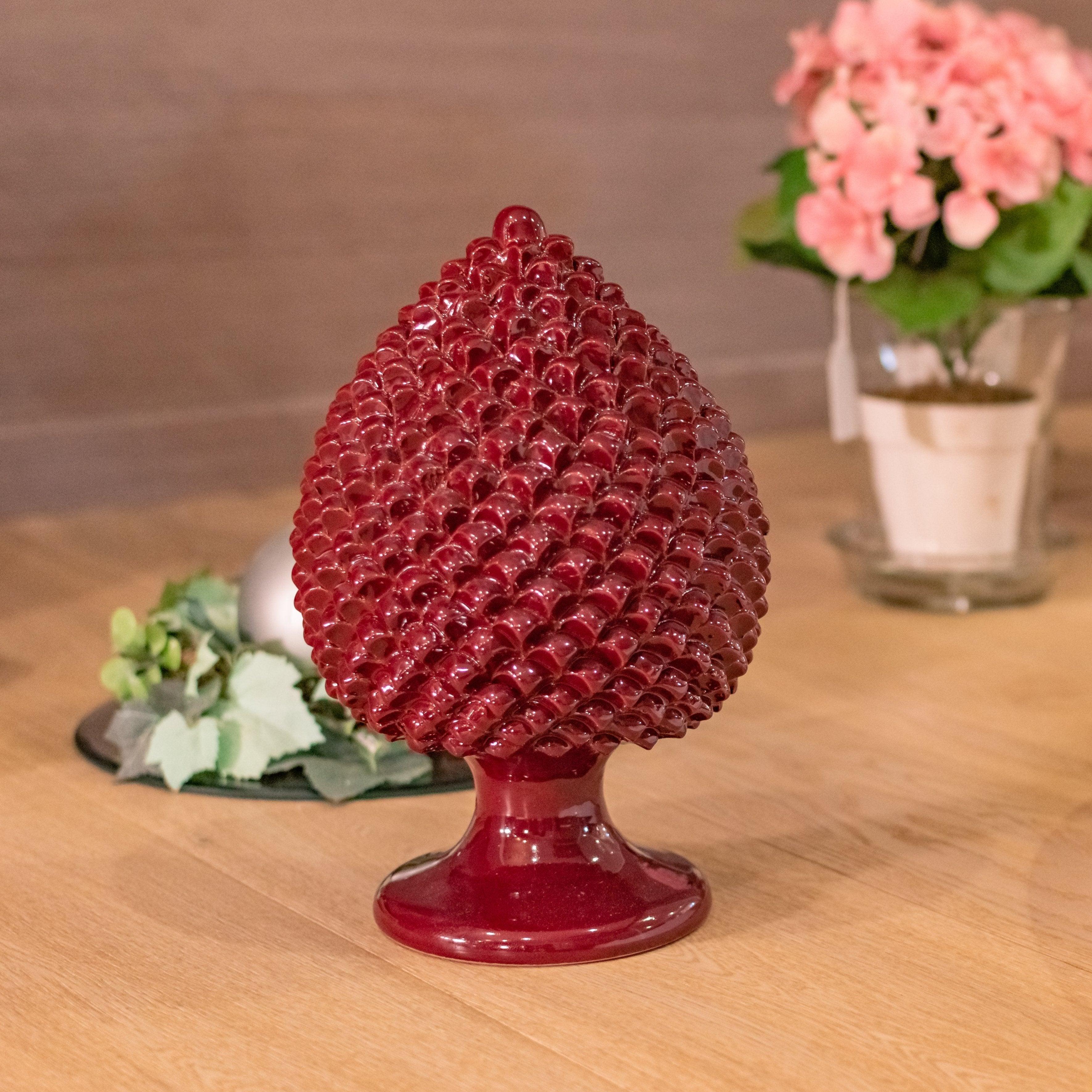
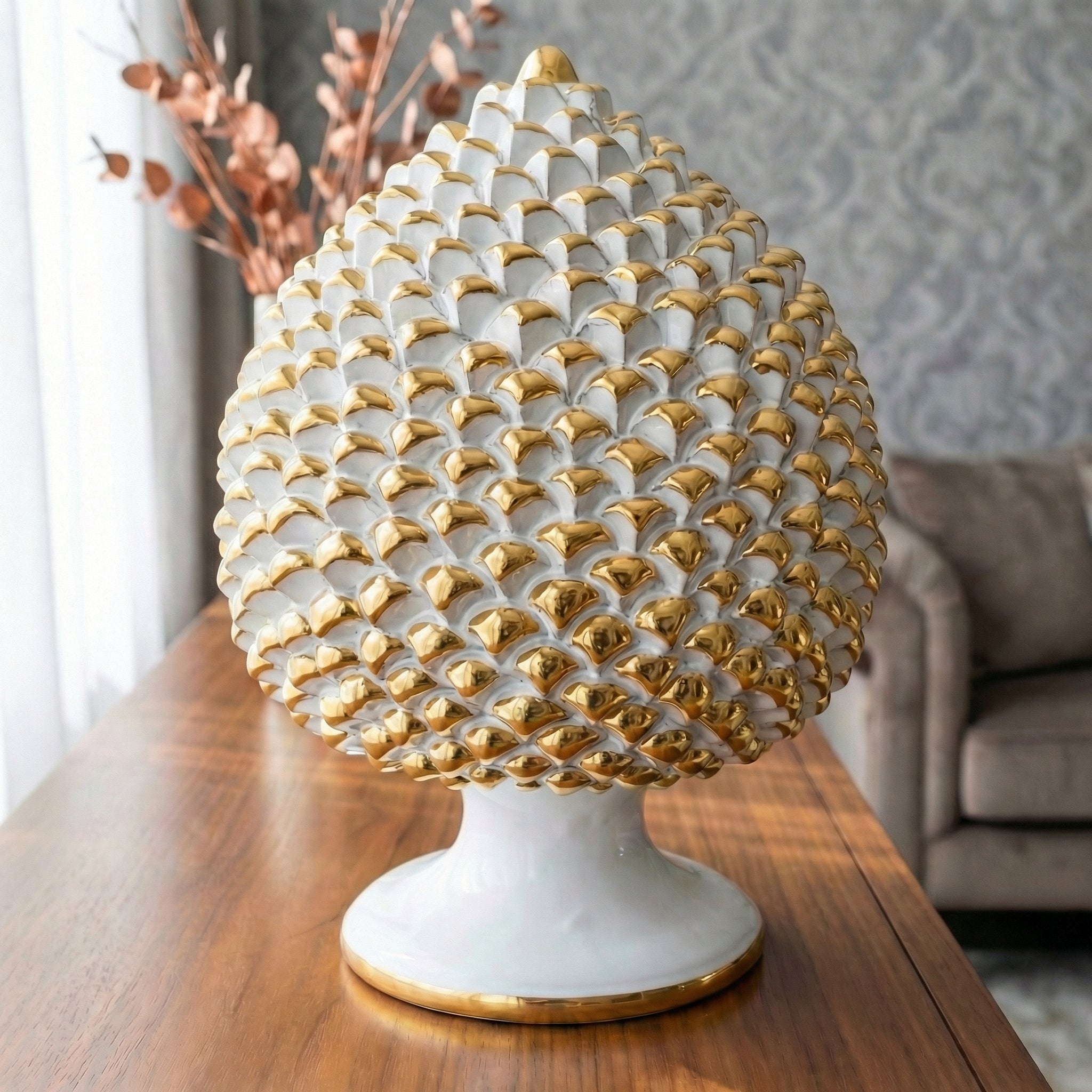
Color. Deep blue is the most classic and recognizable; emerald green and antique green evoke nature; burgundy and fiery red add warmth; the mother-of-pearl, gold, and lustre finishes are the most precious and striking. Choose based on the colors of the room where you will place it.
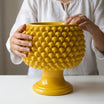
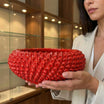
Size and shape. Standing pigne come in different heights, for a discreet detail on a shelf or for a statement piece on the floor. Then there are the centerpieces and the pigna-shaped raised stands, perfect for the table; the half-pigna vases and the cachepots, which combine symbol and function; and the small pigna bowls, ideal as wedding favors or a small keepsake.
The occasion. For an important gift, a large pigna or a precious finish makes an impression. For a wedding favor or a small keepsake, a pigna bowl is the right choice, starting from around €42.
Discover all the variations in the Pigna-Shaped collection →

Sicilian Pine Cone H 15/40 cm / 5¾-15¾", Emerald Green – Sicilian tradition from Caltagirone
Acquista ora
Caltagirone Pine Cone Ceramic H 15/40 cm / 5¾-15¾", Bordeaux – Sicilian tradition from Caltagirone
Acquista ora
Caltagirone Pine Cone Ceramic H 15/40 cm / 5¾-15¾", White Line – Caltagirone Ceramic – Sicilian Pine Cone Tradition
Acquista ora
Sicilian Pine Cone H 15/40 cm / 5¾-15¾", Fire Red – Sicilian tradition from Caltagirone
Acquista oraWhere to place the pigna in your home
The pigna suits countless settings. At the entrance it welcomes guests with its message of welcome. In the living room, on a shelf or a side table, it becomes a point of color. On the table, a pigna centerpiece turns a dinner into something special. And outdoors, on a terrace or beside a gate, it takes up its traditional role as the guardian of the home. One tip: if you choose a mother-of-pearl or gold finish, save a spot for it where the light can make it shine.
🌿 Choose your good luck pigna
The pigne by Ceramiche di Caltagirone Sofia are shaped and painted by hand, available in many color and size variations. A symbol of prosperity to keep for yourself or to give as a gift, shipped throughout Italy and worldwide with insured delivery. Explore the Pigna-Shaped collection →
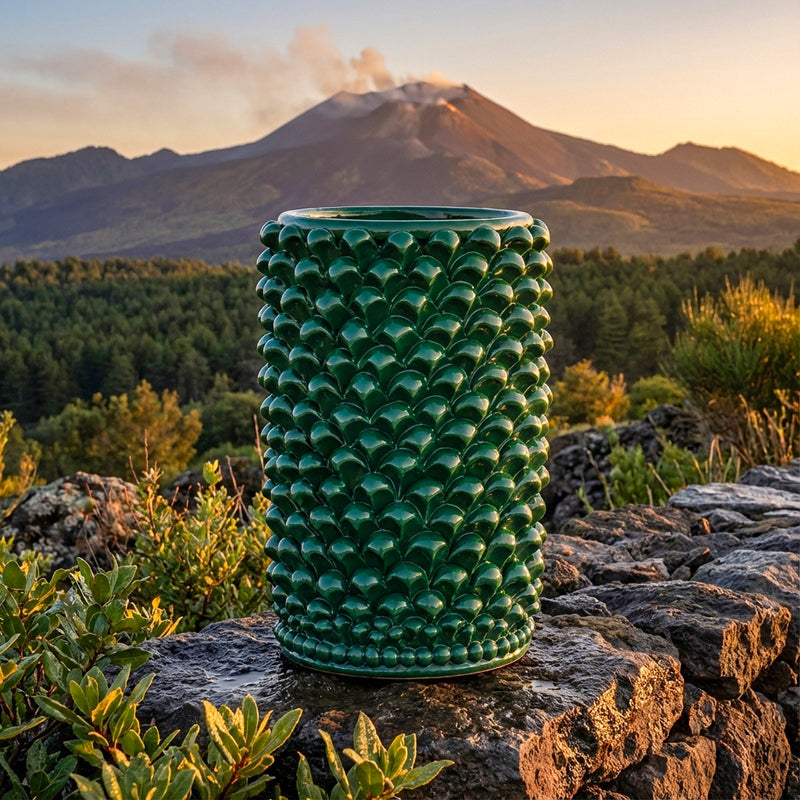
Pine Cone Cylinder Vase H 25 cm / 9¾", Antique Green – Italian ceramic from Caltagirone, Sicily
Acquista ora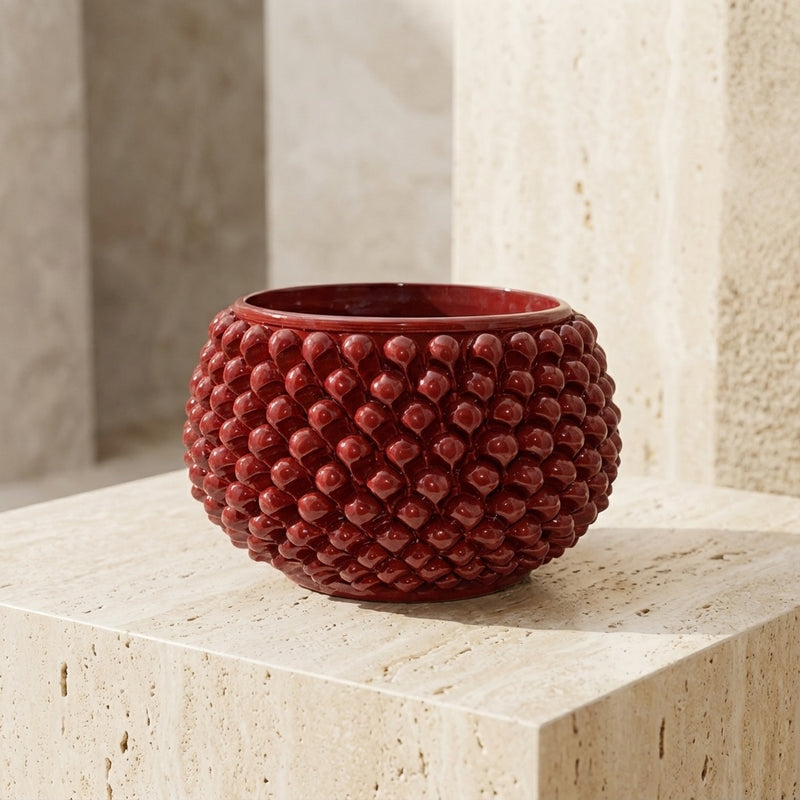
Footless Half Pine Cone Vase, Bordeaux – Caltagirone Ceramic – Sicilian artisan tradition
Acquista ora
Half Pine Cone Vase, Fire Red – Italian ceramic from Caltagirone, Sicily
Acquista ora
Footless Half Pine Cone Vase, Fire Red – Sicilian majolica handcrafted in Caltagirone
Acquista oraFrequently asked questions
What does the Sicilian pigna symbolize? The Sicilian pigna is a symbol of prosperity, abundance, health, luck, and hospitality. Its origins date back to the Greek and Roman world, where it represented life, fertility, and immortality.
Why is the pigna given as a gift in Sicily? It is given at moments of beginning (weddings, a new home, the opening of a business), as a wish for prosperity, fecundity, and luck. It is one of the island's most beloved traditional gifts.
Where do you place a good luck pigna? Traditionally at the entrance or outside the home, as a sign of welcome and protection. Today it is also used in the living room, as a centerpiece, or as a decorative element.
What color should you choose for a Sicilian pigna? Deep blue is the most classic and traditional color, but there are many variations: emerald green, burgundy, fiery red, and fine finishes in mother-of-pearl and gold. The choice depends on the style of the room.
Where can you buy authentic Sicilian pigne? Directly from an artisan producer in Caltagirone, in the workshop or online. Authentic pigne are painted by hand, and each piece is slightly different from the next.







2 comments
Papathanasiou Thanos
As before but 50cm white pina cone Is it possible ?
Papathanasiou Thanos
Can I find white 40 cm pine cones ?
Comment
Note: comments must be approved before being published.
This site is protected by hCaptcha and the hCaptcha Privacy Policy and Terms of Service apply.